Total Knee Replacement
Total Knee Replacement (TKR) has become one of the most successful surgeries in India for severe knee arthritis. With rising osteoarthritis, and lifestyle factors, knee surgery adds to quality of life for a person suffering from knee pain.
Whether one has undergone Total Knee Replacement, Unicompartmental Knee Replacement (UKR), or even Bilateral Knee Replacement, along with the surgery which gives one 'new knees', Physiotherapy also plays a major role in determining recovery, both before and after the surgery.
Consistent physiotherapy decides how well you walk, bend, climb stairs, and return to daily life.
Why Physiotherapy Matters After Knee Replacement
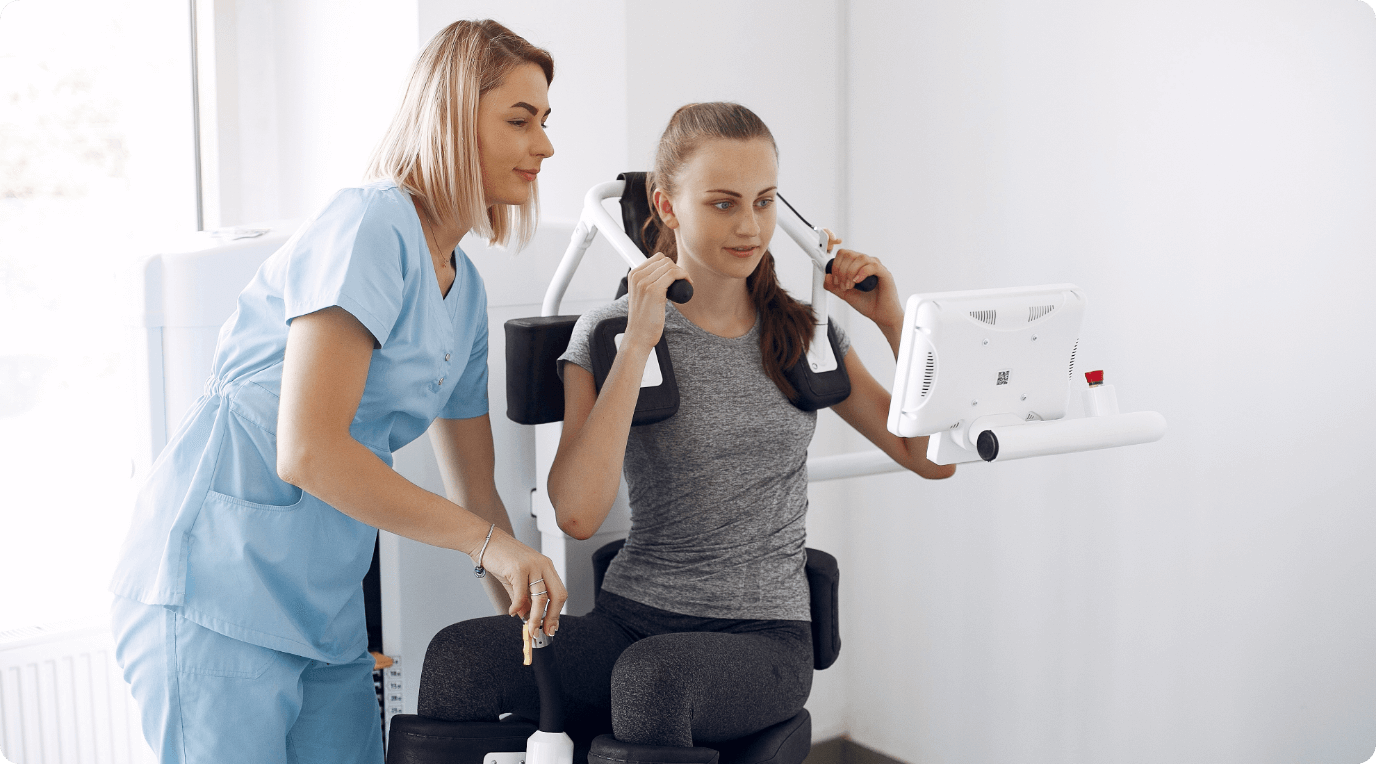
Whether it's TKR, UKR, or bilateral surgery, Physiotherapy is the key driver of recovery.
Without proper rehab, the knee can become stiff, weak, or painful—even if the surgery is perfect.
Goals of Physiotherapy:
- Improve range of motion
- Strengthen thigh & hip muscles
- Restore normal walking pattern
- Reduce swelling and pain
- Return to and build confidence in daily activities
- Prevent long-term stiffness
Physiotherapy following knee replacement progresses as the weeks progress.
During the first couple of weeks, one learns to sit, stand, walk and climb stairs. Knee range of motion (ROM), pain management and gradual return to self care activities are the main focus during this period.
Following this initial period Physiotherapy focus shifts towards strengthening exercises, balance and gait training, enabling you to walk longer distances, travel, household participation and social participation.
Knee replacement—whether total, partial, or bilateral—can transform life for patients struggling with severe arthritis. But the true success of the surgery depends on structured physiotherapy, consistent exercises, and guided progression.
With the right physiotherapy plan, patients can return to pain-free walking, independent living, and quality daily function in just a few months.
Preparing for your Knee Replacement
We all know at least one person who has undergone a knee replacement. There is a ton of information about the surgery itself. So let's look at how we can prepare our homes and ourselves for a smoother recovery period. This is the Physiotherapist's perspective.
Home Planning:
Consider buying a few items that make it easy for you to be immediately independent with your self care. Some of the things that you may need are: 1. A chair to use while bathing, a toilet seat raiser.
You can also consider installing handrails in your bathroom.
2. You can remove slippery doormats and long wires that may be in your way or compromise your balance.
3. If you can, try to keep one bathroom dry during the initial phases.
Preparing for knee replacement - Patient perspective
This article was compiled from information and feedback given by those who have undergone knee replacement surgery. Over the years of working in post TKR Rehab, we compiled a list of practical tips that ease your recovery period after discharge. This list is compiled from people's personal experience after undergoing knee replacement. So we are sharing these with you so you can think about whether these are something you need to plan for. Of course, this is not compulsory, but just suggestions that may help you in your post recovery period.
Although you will be able to walk with a walker from day 1, once you return home, you will need some support for tasks such as cooking, cleaning and other household chores. The suggestion that most patients gave for this was- delegate such tasks ahead of time so it gets done smoothly.
If you are someone who usually wears a saree or a salwar, plan to have a few clothes that are loose fitting, especially around the knee and do not get in the way while walking and are easier to wear. Some examples of such clothing are loose pants or nighties.
Some even suggest having a helper during the nights during the initial few weeks, especially when you need to use the bathrooms during the nights. This, of course, may be important for those who have balance issues prior to the surgery.
The last and the most important point- post operative period is all about Physiotherapy. Get in touch with a Physiotherapist and learn your initial post- operative exercises before the surgery. This knowledge of exercises helps you kickstart your recovery phase from the day of the surgery itself.
Planning in this manner before the surgery ensures that your complete focus is only on Physiotherapy. Now, these things may seem trivial, but they go a long way in enhancing your recovery.